Dead Tree Removal in Allentown, PA
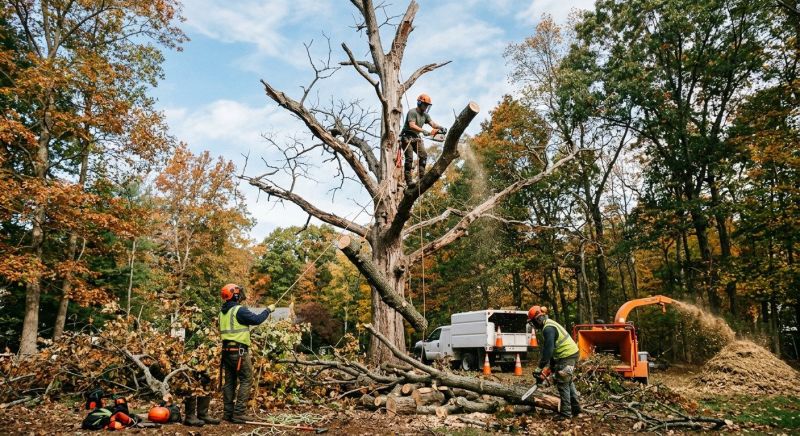
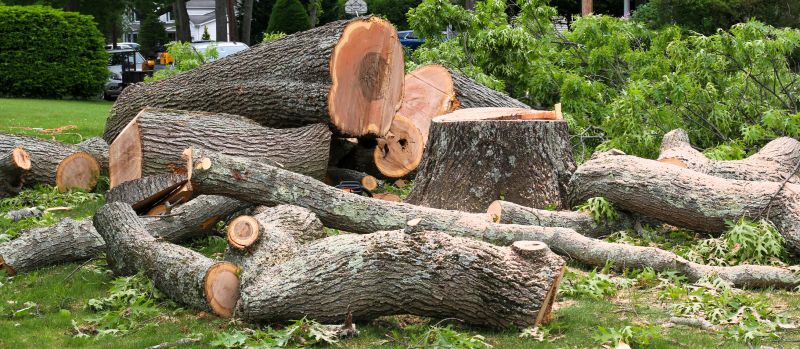
Dead tree removal services involve safely and efficiently taking down trees that are dead, decaying, or pose a risk to the property. These projects typically include removing hazardous trees near homes, driveways, or power lines, as well as clearing out trees that have become diseased or are no longer healthy. Property owners should consider factors such as the size and location of the tree, potential impact on surrounding structures, and any local regulations or permits required before requesting removal services.
Homeowners often seek dead tree removal to prevent potential damage from falling branches or entire trees, especially during storms or high winds. It’s important to understand the scope of the work, including whether stump grinding or debris cleanup is included, and to communicate any concerns about access or nearby landscaping. Proper planning ensures the removal process is safe and minimizes disruption to the property.
Many property owners in Allentown, PA look into Dead Tree Removal for repairs, replacements, upgrades, and appearance-related improvements.
Safety And Property Protection
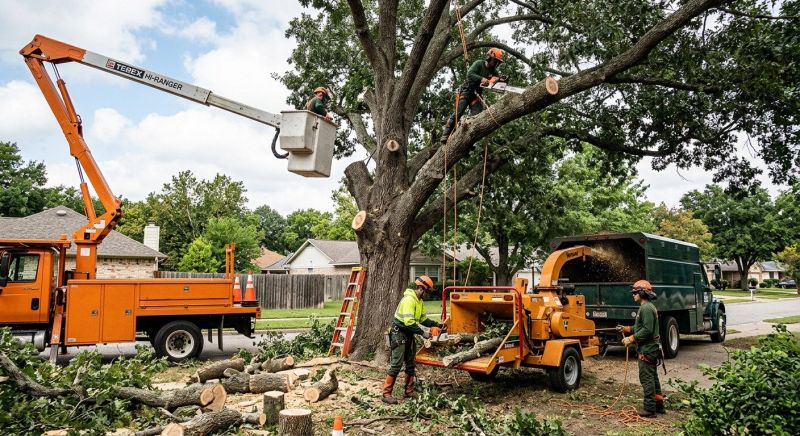
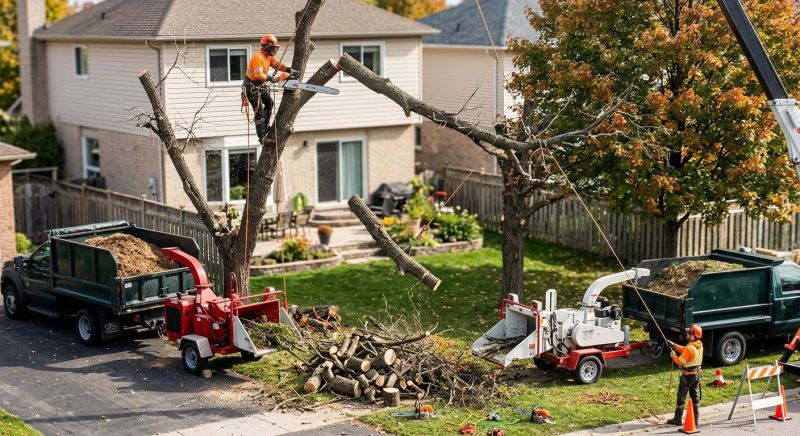
Removing dead trees helps prevent potential damage to structures and reduces safety hazards on your property.
Tree Health And Landscape Maintenance
Dead tree removal can improve the overall health and appearance of your landscape in allentown and nearby areas.
Emergency And Storm Response
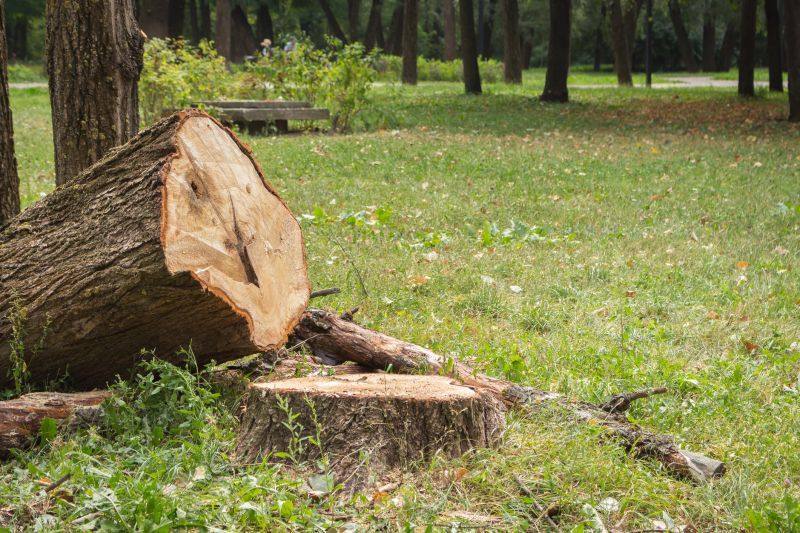
Prompt removal of hazardous dead trees minimizes risks during storms and severe weather events.
Dead Tree Removal in Allentown, PA
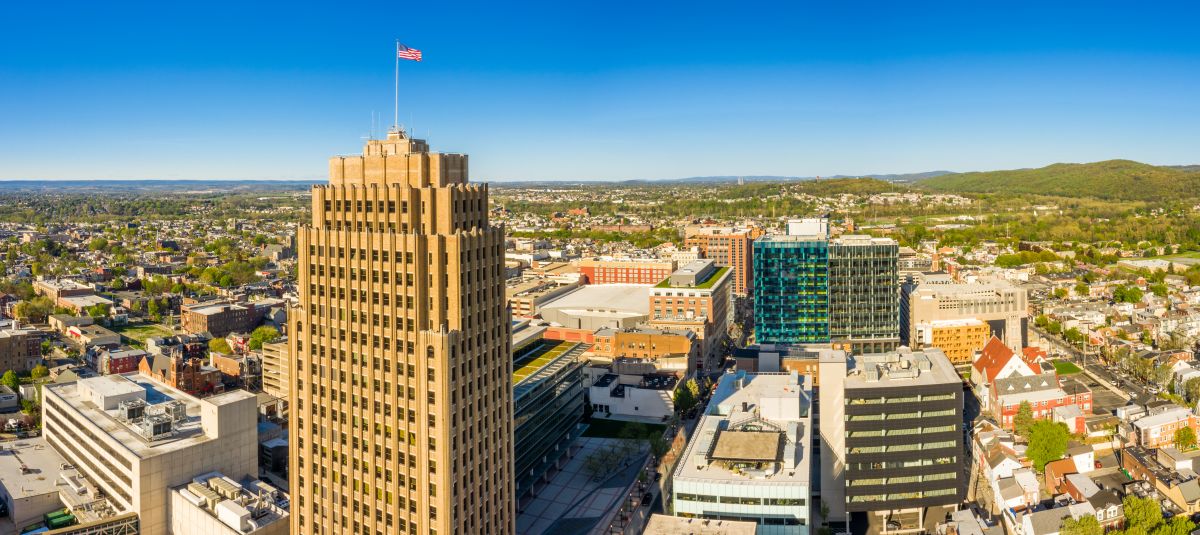
Dead tree removal services involve safely and efficiently taking down trees that are dead, decaying, or pose a risk to the property. These projects typically include removing hazardous trees near homes, driveways, or power lines, as well as clearing out trees that have become diseased or are no longer healthy. Property owners should consider factors such as the size and location of the tree, potential impact on surrounding structures, and any local regulations or permits required before requesting removal services.
Homeowners often seek dead tree removal to prevent potential damage from falling branches or entire trees, especially during storms or high winds. It’s important to understand the scope of the work, including whether stump grinding or debris cleanup is included, and to communicate any concerns about access or nearby landscaping. Proper planning ensures the removal process is safe and minimizes disruption to the property.
Many property owners in Allentown, PA look into Dead Tree Removal for repairs, replacements, upgrades, and appearance-related improvements.
Common Dead Tree Removal Jobs
Dead Tree Removal - safely removes hazardous or decayed trees to protect property and safety.
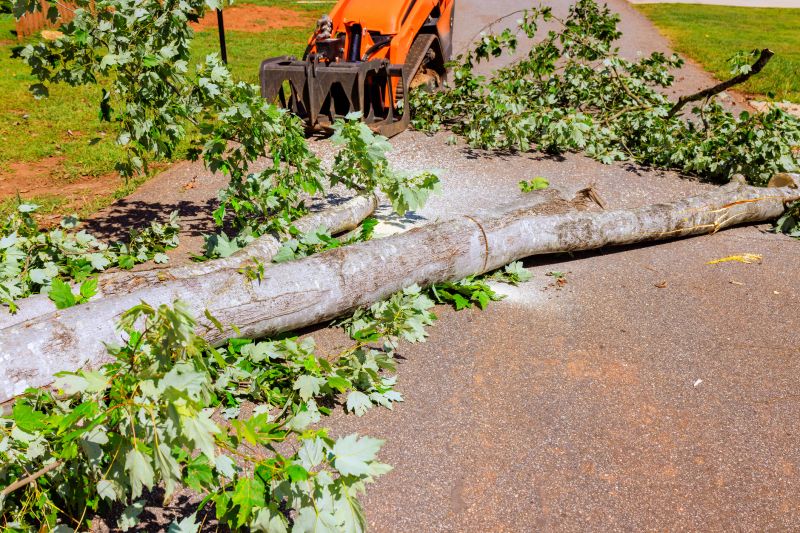
Storm-Damaged Tree Removal - clears trees that have fallen or are at risk of falling after severe weather.
Uprooted Tree Removal - extracts trees that have been uprooted or are leaning dangerously.
Tree Stump Removal - grinds or removes remaining stumps to prevent pest infestations and improve landscape appearance.
Emergency Tree Removal - provides quick response for urgent tree removal needs due to storm damage or safety concerns.
Selective Tree Removal - removes specific trees to improve property aesthetics or promote healthy growth.
Dead Tree Removal Questions
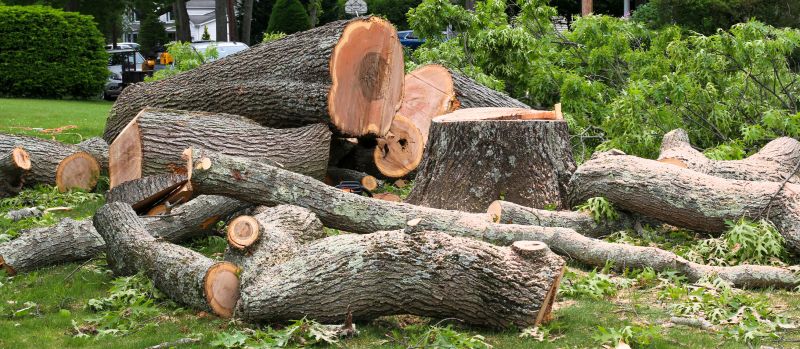
When is dead tree removal necessary? Dead trees may need removal if they pose a risk to property or safety, or if they are causing damage to nearby structures or landscaping.
What signs indicate a tree is dead? Indicators include lack of leaves, brittle branches, discoloration, and signs of decay or fungal growth on the trunk.
Is dead tree removal safe for surrounding trees? Proper removal techniques ensure surrounding trees and plants are protected during the process.
What should property owners consider before removing a dead tree? Consider the tree’s location, potential hazards, and the need for professional equipment or expertise to ensure safe removal.
Request Dead Tree Removal in Allentown, PA
Use the quote form on this page to share the basics of your project and request more information for the type of work you need.